A better brief before you ask AI to write
Give AI the facts, the next step, and clear boundaries so your draft needs less rewriting.
You've just wrapped a discovery call with a promising prospect. They asked good questions, you had answers, and the fit feels right. You open your AI tool and type "write a follow-up email."
Thirty seconds later, you've got a polished thank-you note. Professional tone, clean structure. But look closer. The prospect asked if you can work with their existing website. You told them on the call you'd need to look at it first before recommending anything. The email opens with "short answer is yes, we can definitely work with your existing site."
That's not what you said. The AI filled the gap with something confident-sounding, and now the prospect expects a yes you haven't given them.
This happens because AI doesn't guess well. It fills gaps with whatever sounds polished. The problem isn't the tool. It's the brief.
What a better brief looks like
Here's the same scenario with more to work with.
Write a short follow-up to a prospective client after our first call. They asked whether we can work with their existing website. Tell them we'll review the site before recommending a scope. Ask them to reply with the URL and the one thing they most want to improve. Keep it friendly and direct. Leave pricing, timelines, and guarantees out.
And here's roughly what that produces:
Hi [name],
Great talking with you earlier. You asked whether we can work with your current site, and the honest answer is we'd want to take a look first before recommending anything.
Could you send over the URL, along with the one thing you'd most want to improve? That'll help us figure out the right approach.
Talk soon,
[name]
No promise about pricing. No made-up timeline. No "yes" that hasn't been earned yet. And the prospect has something specific to do: send a URL and one priority.
Why this works
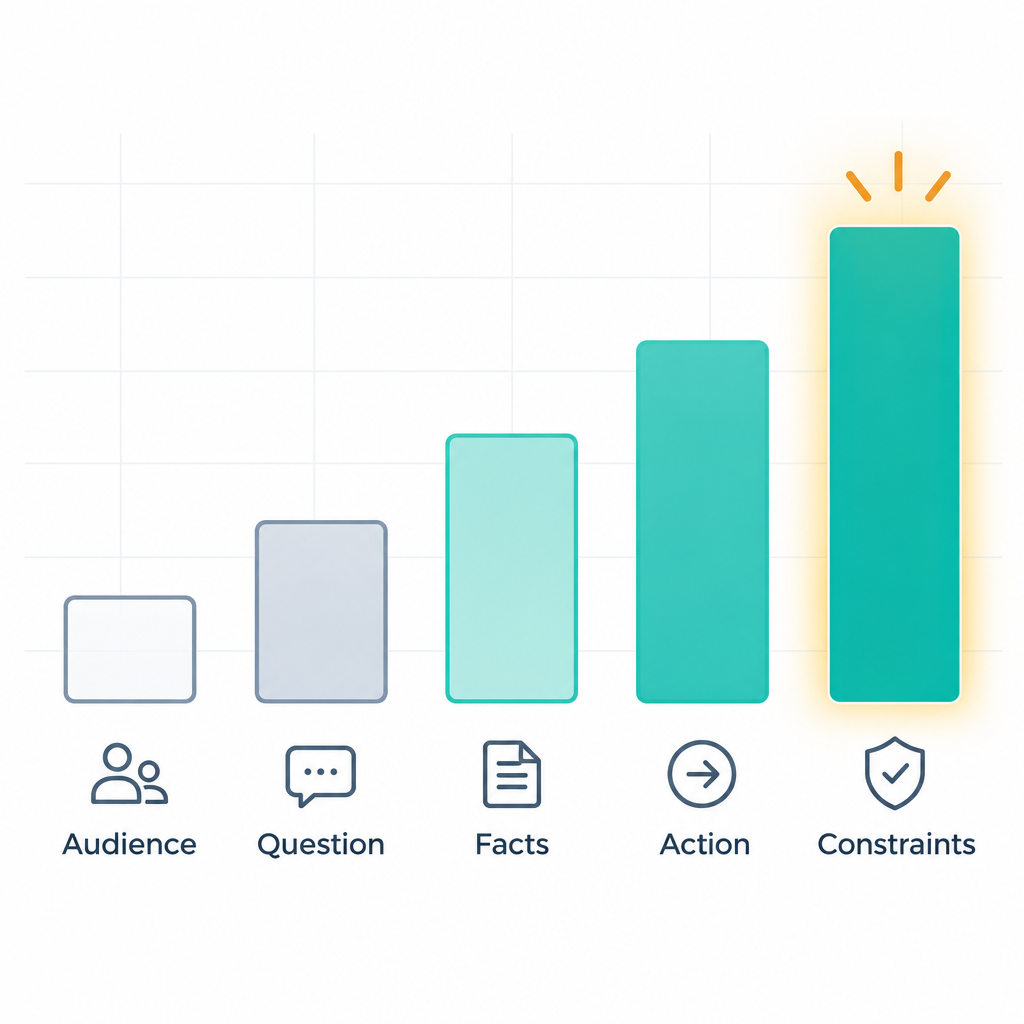
The brief gives the AI four things it didn't have before.
What the prospect actually asked. Not your full service list, not your process. The one thing they raised on the call. That's what the draft should answer first.
What you already know. You need to see the site before recommending a scope. That's your honest answer, and the AI should say that instead of guessing at a yes.
What you want them to do next. Not "let me know if you have questions." A specific action: reply with the URL and their top priority. That's the line most AI drafts skip, and it's the one that gets a reply.
What to leave out. Pricing, timelines, guarantees. Without this, AI tends to add a line like "we can usually start within two weeks" because it's trying to be helpful. You didn't agree to that yet, and now the prospect has an expectation you didn't set.
If your business has a particular way of opening or closing emails, give the AI one real example to match. "We usually open with what the prospect asked, not a thank-you" is enough to shift the pattern. You don't need a full style guide for this. One sentence works.
The same logic applies to blog posts. Who is this for, what do they need to understand, what's the one thing they should do after reading. Without that, AI writes something that sounds authoritative but doesn't connect to the actual problem.
This is where zenna helps. You select a saved style guide, add source notes with the facts for this specific piece, and generate a draft that starts from what you know instead of from scratch. The style guide gives the draft a voice. The source notes give it the facts.
Before you send it, check three things
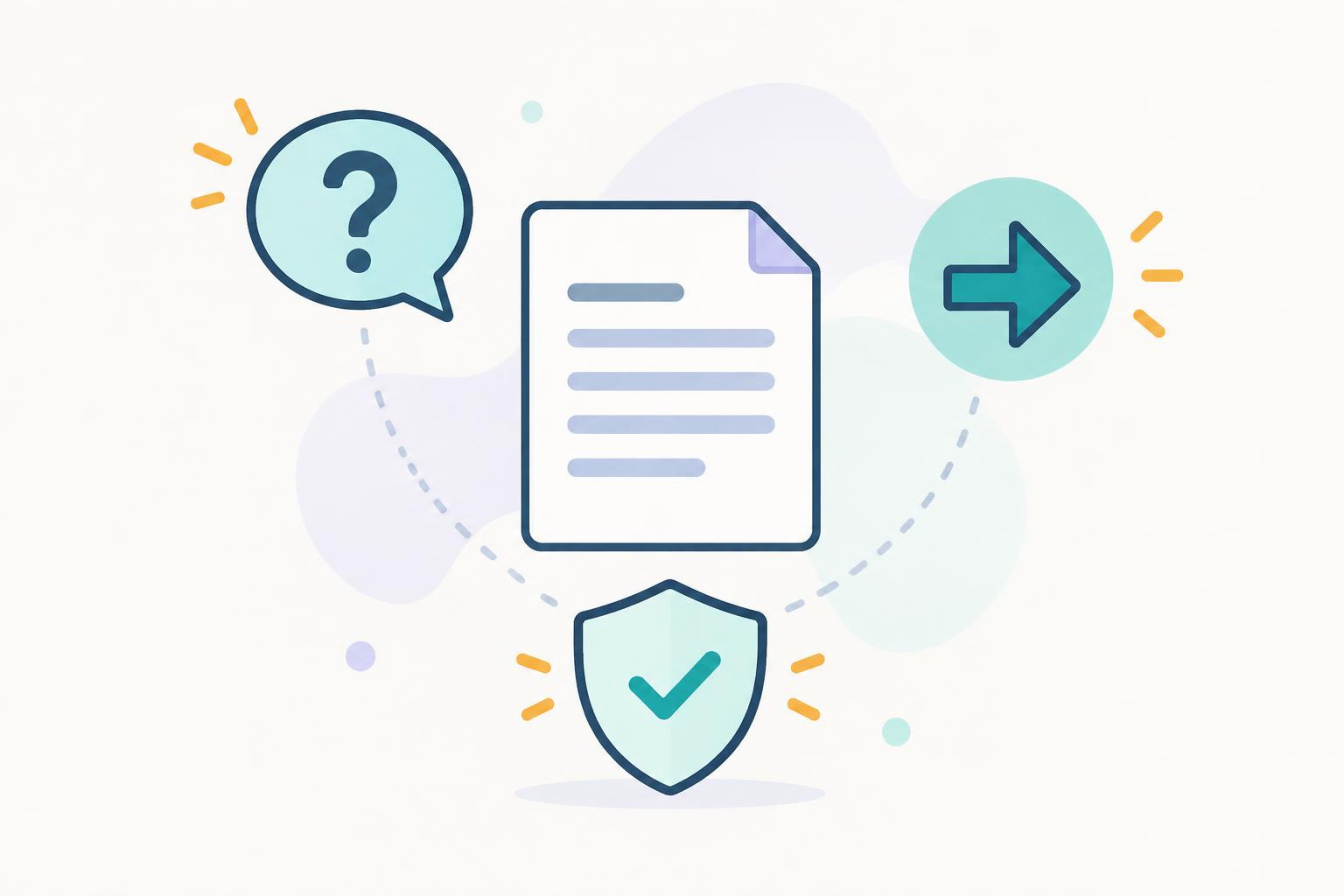
Did it answer what the prospect actually asked, instead of dancing around it. Does it give them one clear next step, something specific, not "feel free to reach out." And did it stay within what you agreed to on the call. If you said you'd review the site first, the email shouldn't promise a yes, a price, or a start date.
That last check is the one that matters most. AI will add things that sound helpful. Your job is to cut anything you didn't actually say.
A brief you can copy
Write [piece] for [reader]. They need to understand [point]. Use these facts [facts]. Ask them to [next action]. Leave out [anything we haven't confirmed].
Fill in the blanks before you ask AI to write. Give it enough to stop guessing, and you'll spend less time rewriting what it gives back.
Back to zenna blog